

Is Your Website Legally Compliant in the UK? Here’s What Every Business Must Have
Most business owners assume their website is legally compliant… until a problem arises.
But in the UK, websites must follow a number of legal requirements covering data protection, cookies, company information, e-commerce rules, consumer rights, accessibility and more.
Failing to meet these requirements can result in fines, complaints, or losing customer trust — and many websites are missing several of the essentials.
This guide explains exactly what your website must include to stay compliant, and how we can help if you need professional templates or implementation.

1. Company Information (Required by Law)
Under the Companies Act 2006 and the E-Commerce Regulations, every business must clearly display:
- Registered business name
- Registered address
- Company number
- Place of registration (e.g. England & Wales)
- VAT number (if applicable)
- A contact email address
- A contact telephone number (if one exists)
Where this must appear:
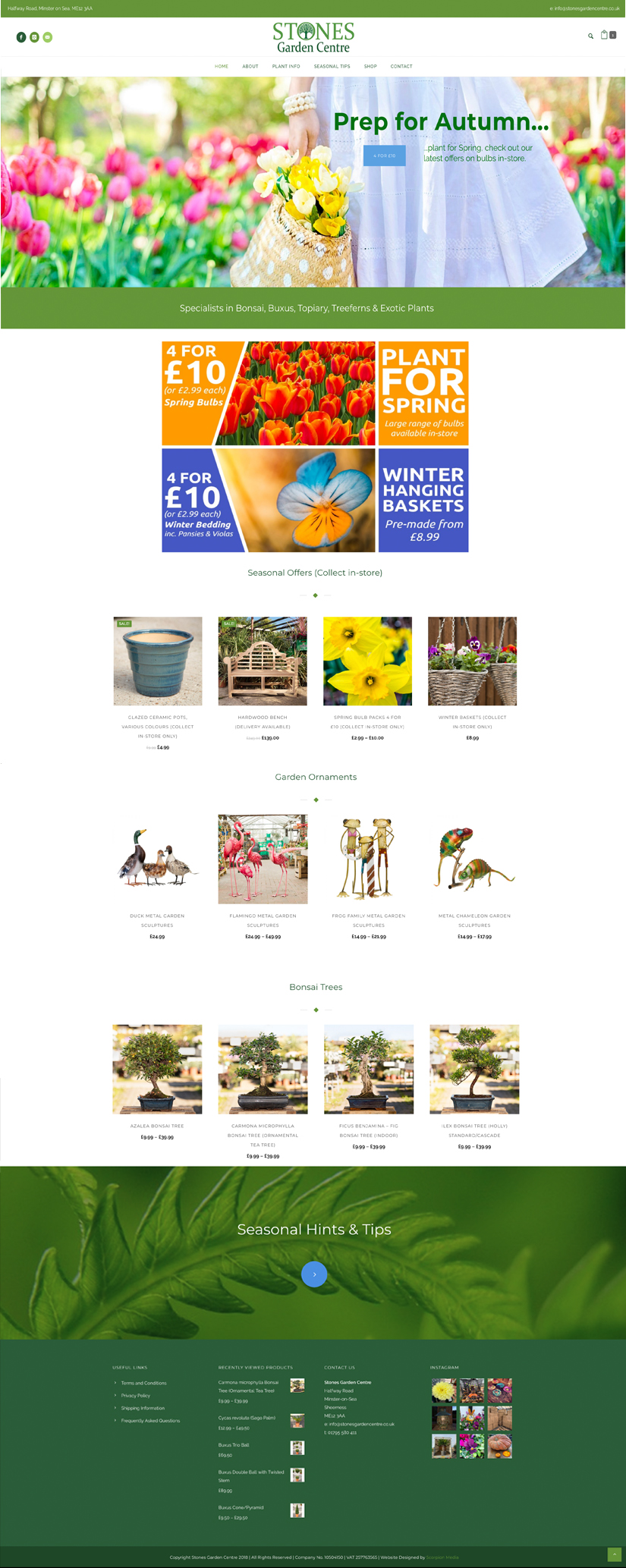
- Website footer
- Contact page
- Terms & Conditions
- Email footers
Surprisingly, many websites miss one or more of these.

2. Privacy Policy (Required Under UK GDPR)
If your website collects any personal data — including contact forms, analytics, online orders or newsletter sign-ups — you must have a Privacy Policy.
A compliant Privacy Policy must outline:
- What data you collect
- How and why it is used
- Your lawful basis for processing
- How long data is stored
- Who data is shared with
- Users’ GDPR rights
- Your contact information
This is one of the most common legal gaps on UK websites.

3. Cookie Consent & Cookie Policy
If your website uses any non-essential cookies (analytics, marketing, tracking, pixels, YouTube embeds, etc.) you must:
- Display a cookie banner on first visit
- Provide Accept/Reject options
- Block non-essential cookies until consent
- Publish a detailed Cookie Policy
- Allow visitors to change cookie settings
This is required under PECR and UK GDPR.
WordPress sites frequently fail to block cookies until consent, which is technically non-compliant.

4. Terms & Conditions (Strongly Recommended)
While not legally required, Terms & Conditions protect you from disputes and set clear rules for using your website.
For e-commerce stores, T&Cs are essential and should include:
- Payment terms
- Delivery information
- Use of digital goods
- Limitations of liability
- Copyright rules
- Disclaimers
They help reduce legal risk and protect your content.

5. Returns & Refund Policy (Required for Online Sales)
The Consumer Contracts Regulations require you to clearly explain:
- Your returns process
- Refund rules
- Timeframes (14-day cooling-off applies to physical goods)
- How digital downloads/courses are handled
This policy must be displayed before checkout.

6. E-Commerce Legal Information (If You Sell Online)
Anyone selling products or services online must clearly show:
- Full product descriptions
- Total prices including VAT
- Delivery charges
- Terms of sale
- Cancellation rights
- Order confirmation emails with key info
This applies whether you sell physical goods, digital downloads, or online courses.

7. Accessibility Commitment
Under the Equality Act 2010, businesses must take reasonable steps to ensure websites are accessible.
An Accessibility Statement should outline:
- Your commitment
- Known accessibility limitations
- How users can request assistance
This is not mandatory for private businesses — but is highly recommended.

8. Email & Marketing Compliance
If you send marketing emails, you must:
- Use opt-in (not automatic opt-in)
- Record proof of consent
- Offer an unsubscribe link
- Keep a suppression list
This applies to all mailing lists, newsletters and automation tools.

9. Modern Slavery Statement (Often Called a “Slavery Policy”)
A Modern Slavery Statement is only a legal requirement for certain UK organisations — specifically those that:
- Are a corporate body or partnership
- Operate in the UK
- Supply goods or services
- Have an annual turnover of £36 million or more
If a business meets these criteria, the statement must:
- Be approved at board level and signed by a director
- Be published on the company website with a clearly visible link from the homepage
- Ideally be uploaded to (or linked from) the UK Modern Slavery Statement Registry
If your business falls below the £36 million threshold, you are not legally required to publish a Modern Slavery Statement.
However, many smaller companies still choose to create one because:
- It demonstrates transparency and ethical responsibility
- Larger clients or suppliers may request it during supply-chain checks
- It can strengthen your company’s reputation, especially in tenders
If you want to include this voluntarily, we can supply templates or implement it for you.

10. Carbon Reduction Plan (CRP)
A Carbon Reduction Plan is not a legal requirement for most UK businesses. There is no universal rule stating that every company must publish one.
However, a CRP does become mandatory if your organisation is bidding for UK Government contracts worth £5 million or more per year. In these cases, the CRP must follow the standards set out in Procurement Policy Note 06/21 (PPN 006).
A compliant Carbon Reduction Plan must:
- Include emissions data (Scope 1 & Scope 2, plus selected Scope 3 categories)
- Confirm your organisation’s commitment to achieving net zero by 2050
- Be approved by senior management or a director
- Be published prominently on your website (with a link on the homepage)
- Be reviewed and updated at least once per year
For most SMEs, a CRP is optional — but increasingly, businesses choose to publish one to demonstrate environmental responsibility or to strengthen their credibility when approaching larger clients.
Where Should All These Policies Go?
The best practice (and most legally sound) layout is:
In Your Website Footer:
- Privacy Policy
- Cookie Policy
- Cookie Settings
- Terms & Conditions
- Returns & Refund Policy
- Accessibility Statement
- Company Information
- Contact Information
On Other Key Pages:
- Checkout page: Refund, delivery + digital goods info
- Contact page: Full business details
- Forms: Privacy Policy link + consent text
- Cookie banner: Accept/Reject options
—————————————————————————————————–
Are You Legally Compliant?
Many business owners unintentionally operate with missing or outdated policies.
If you’re unsure, we can help:
✔ Policy Templates for DIY Implementation
Ready-made, UK-compliant templates you can upload to your site.
Templates Include:
- Privacy Policy
- Cookies Policy
- Terms & Conditions (General)
- Terms & Conditions (E-Commerce)
- Returns & Refunds Policy
- Accessibility Commitment Statement
- Modern Slavery Statement
—————————————————————————————————–
✔ Full Done-For-You Implementation
We handle everything — writing, formatting, adding to your site, and ensuring full compliance.
—————————————————————————————————–
✔ Website Legal Compliance Audit
We review your entire website and report on what’s missing.
—————————————————————————————————–
✔ Website Legal Compliance Audit + Fix
We review your entire website and report on what’s missing, then implement everything we find that needs fixing.
—————————————————————————————————–
Want Us to Check Your Website?
If you’d like a quick audit to see whether your website meets UK requirements, just email info@scorpionmedia.co.uk or contact us through the site.
We’re happy to help ensure your website is compliant, protected, and ready for growth.